Child Development Glossary (0–18 Years): Key Parenting & Psychology Terms
Looking for simple meanings of important child development terms?
This glossary covers high-volume parenting and psychology keywords across four major stages: Infancy (0–2), Toddler & Preschool (2–5), Middle Childhood (6–12), and Adolescence (13–18).
Use this guide to understand developmental milestones, emotional development, cognitive growth, and teenage behavior - all explained in simple language.
👶 0–2 Years: Infancy & Baby Development
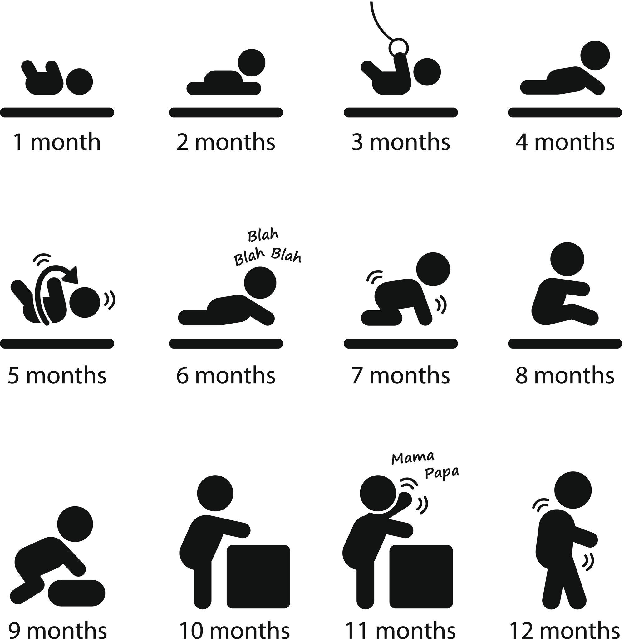
1. Infancy
The first stage of life (birth to 2 years) focused on rapid brain growth and bonding.
2. Developmental Milestones
Skills most babies achieve by a certain age, such as crawling, walking, or saying first words.
3. Brain Development
Rapid formation of neural connections that influence learning and emotional health. See our detailed guide on brain development in 0-6 years.
4. Attachment
The emotional bond between a baby and caregiver.
5. Separation Anxiety
Distress when a baby is away from parents (common after 6 months).
6. Sensory Development
Growth of sight, hearing, touch, taste, and smell abilities.
7. Gross Motor Skills
Large movements like rolling, sitting, crawling, and walking.
8. Fine Motor Skills
Small movements like holding toys or picking up small objects. Art classes are one of the best ways to develop fine motor skills in young children.
🧒 2–5 Years: Toddler & Preschool Development
9. Toddler
A child aged 1–3 years learning to walk and talk.
10. Early Childhood
Development stage from ages 2–5 focused on language and social skills. Learn why early childhood development matters more than marks.
11. Language Development
The process of learning to understand and use words. Phonics plays a key role in building strong language foundations.
12. Speech Delay
When a child does not develop speaking skills at the expected age.
13. Temper Tantrums
Emotional outbursts due to frustration or limited communication skills.
14. Emotional Development
Growth of feelings, self-control, and emotional expression.
15. Social Development
Learning how to interact, share, and play with others.
16. Play-Based Learning
Learning through games and activities rather than formal teaching. Read our comparison of play-based vs traditional learning.
📚 6–12 Years: School-Age Child Development
17. Cognitive Development
Growth of thinking, reasoning, and problem-solving skills.
18. Attention Span
The ability to focus on tasks without distraction.
19. Self-Esteem
A child’s confidence in their abilities and self-worth.
20. Peer Pressure
Influence from friends that affects decisions and behavior.
21. Moral Development
Understanding right and wrong.
22. Empathy
Ability to understand and share another person’s feelings.
23. Behavioral Development
Changes in actions and responses as children grow.
24. Learning Difficulties
Challenges in reading, writing, math, or comprehension.
🧑🎓 13–18 Years: Teenage & Adolescent Development
25. Adolescence
Stage between childhood and adulthood (13–18 years).
26. Puberty
Physical changes that prepare the body for adulthood.
27. Hormonal Changes
Body chemistry shifts causing mood and physical changes.
28. Identity Formation
Process of discovering personal beliefs, goals, and personality.
29. Emotional Intelligence
Ability to manage emotions and understand others.
30. Independence
Developing the ability to make decisions independently.
31. Risk-Taking Behavior
Testing limits or trying new experiences during teenage years.
32. Mental Health
Emotional and psychological well-being during adolescence.
Why This Child Development Glossary Matters
Understanding essential child development and child psychology terms helps parents make informed decisions at every stage of their child’s growth. When you are aware of key concepts like developmental milestones, emotional development, cognitive development, and adolescence changes, you can better track your child’s progress and respond appropriately to their needs.
This knowledge improves parent-child communication, supports healthy emotional and social development, and helps in the early identification of learning difficulties or behavioral concerns.
From infancy to teenage years, having clarity about these important parenting terms empowers you to guide your child confidently through every stage of development.